

Hello, I'm Allen. From my factory floor here in China, I've overseen the production of countless sheets of engineered wood products destined for construction sites and workshops across the globe, from the USA to Australia. One of the materials I'm most frequently asked about is maple plywood. It's a true workhorse in the wood panel industry. But with so many types and grades, buyers often have questions. Can you use it for an outdoor project? How do you keep it from warping? How do you choose the right sheet for a high-end cabinet versus a simple drawer box?
This article is for decision-makers like you. Whether you're a procurement officer like Mark Thompson sourcing materials for a large construction firm or a furniture manufacturer looking for reliable components, my goal is to give you the straightforward, practical insights I've gained over years of manufacturing. We'll cut through the technical jargon and focus on what truly matters: quality, performance, and making the right choice for your project.
What Exactly is Maple Plywood and Why is it So Popular?
At its core, maple plywood is an engineered wood panel made from thin layers of maple wood veneer. These layers are bonded together with strong adhesives, with the grain of each layer running perpendicular to the one before it. This cross-graining technique is what gives all plywood its signature strength and stability, making it far less likely to split or warp than solid lumber. The face and back veneers are typically made from high-quality maple wood, giving the panel its characteristic light, creamy color, smooth surface, and subtle, consistent grain pattern.
The popularity of this type of plywood comes down to three key factors: strength, beauty, and versatility. Maple is a hardwood, known for its density and durability. This makes maple plywood incredibly resistant to denting and scratching, which is why you see it so often in high-traffic areas like cabinet doors, flooring, and furniture. Its clean, bright appearance provides a modern aesthetic that can be easily painted or stained to match any decor. This combination of robust performance and attractive looks makes it a go-to choice for a huge range of applications.
From my perspective as a manufacturer, its consistency is a major selling point for our B2B clients. Unlike solid wood, which can have significant variation in color and grain, a sheet of high-quality maple plywood offers a uniform surface that is predictable and easy to work with. This reliability saves time and reduces waste in large-scale production, a critical factor for businesses focused on efficiency and cost-effectiveness. It truly is an affordable solution without compromising on a premium feel.
How is Maple Plywood Made for Superior Strength?
Understanding how plywood is made is key to appreciating its quality. The process isn't just about gluing some wood together; it's a precise engineering feat designed to create a panel that outperforms solid wood in many ways. It all starts with selecting high-quality maple logs. These logs are then peeled on a large lathe into a long, continuous sheet of wood veneer, usually just a few millimeters thick.
These thin layers of wood are then dried to a specific moisture content. This step is absolutely critical. If the veneer is too damp, the finished panel will be prone to warping and mold. If it's too dry, the glue won't bond properly. At our facility, we have strict quality controls to ensure the moisture level is perfect before the layers are glued together. Once dried, the veneers are graded, and any with significant defects like large knots or cracks are set aside. The best veneers are reserved for the face and back of the panel to ensure an attractive appearance.
Finally, the layers are assembled. An adhesive is applied to each layer, and they are stacked with alternating grain directions. This stack is then placed in a powerful hot press, which applies immense pressure and heat to cure the adhesive and bond the layers into a single, solid sheet. This process creates a balanced panel with incredible strength and stability, resistant to the expansion and contraction that can plague solid lumber. This is why a ¾ inch sheet of maple plywood can be stronger and more stable than a solid ¾ inch maple board.
What are the Different Types and Grades of Maple Plywood?
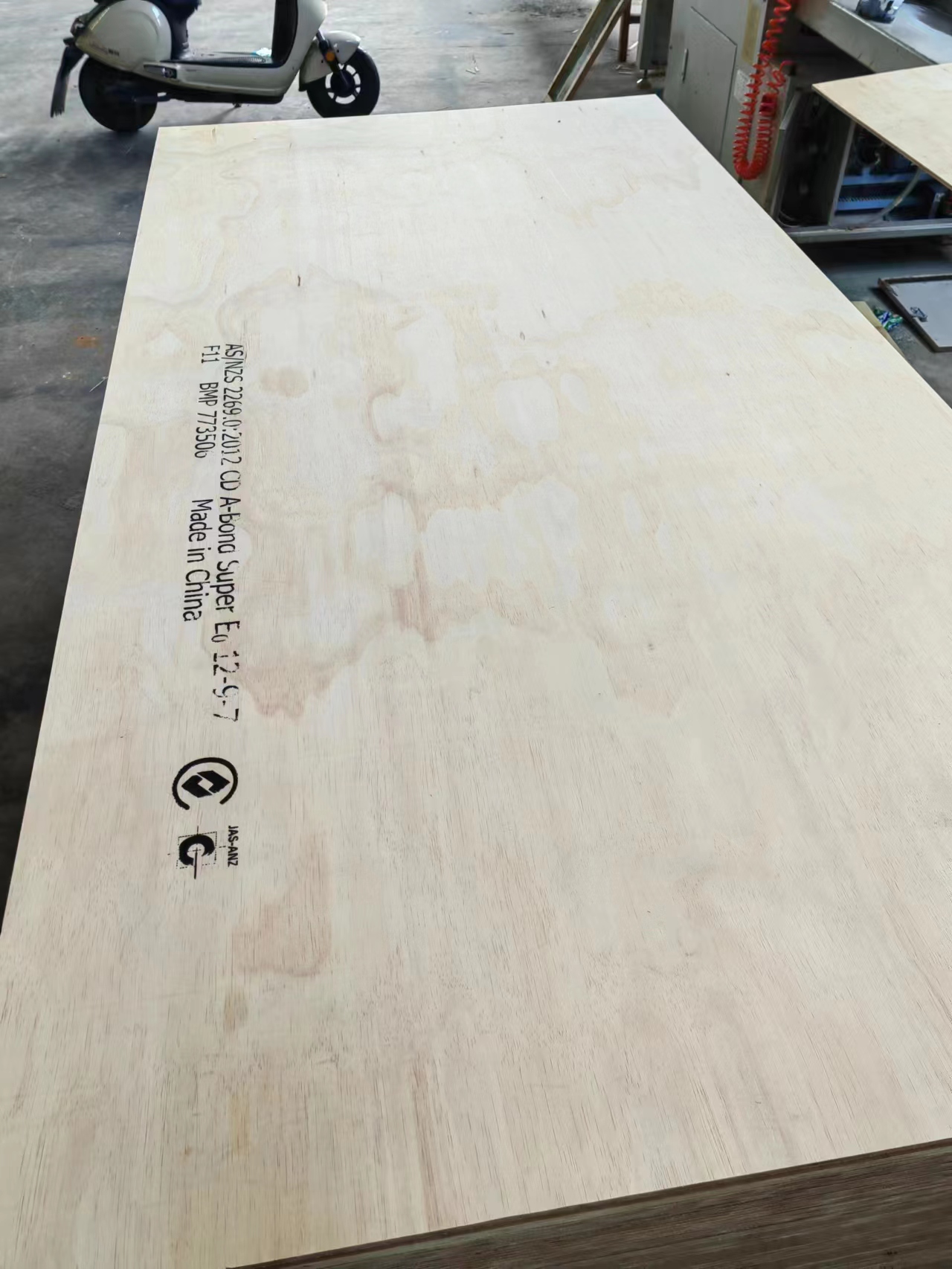
Not all maple plywood is created equal. When sourcing this material, you'll encounter different grades that describe the quality of the face and back veneers. Understanding these grades is essential for choosing the right product and managing costs. The grading system typically uses letters from A to D.
- A Grade: This is the highest quality veneer. It's smooth, paintable, and free of knots or other blemishes. It's the top choice for high-end cabinetry, fine furniture, and architectural millwork where appearance is paramount.
- B Grade: This grade is also very good, allowing for a few minor imperfections like small, tight knots or slight color variations. B grade is a solid choice for applications where the surface will be visible but perfection isn't required. A "B2" grade, for instance, is a common designation for a panel with two B-grade faces.
- C Grade: This veneer can have more visible defects, such as larger knots, repaired splits, and some discoloration. C grade plywood is often used for projects where the surface will be covered, like underlayment or structural components.
- D Grade: This is the lowest grade, with larger knots, un-repaired splits, and other blemishes. It’s the most affordable option and is suitable for applications where strength is needed but appearance doesn't matter at all.
Below is a simple table to summarize the grades:
| Grade | Appearance | Common Uses |
|---|---|---|
| A | Smooth, clear, no blemishes. | High-end furniture, cabinetry, visible surfaces. |
| B | Mostly clear, a few small knots or repairs. | General furniture, shelving, paint-grade projects. |
| C | Visible knots, splits (often repaired). | Structural uses, underlayment, utility applications. |
| D | Large, un-repaired knots and defects. | Crating, temporary structures, non-visible parts. |
Beyond grading, the way the veneer is cut also affects the look. Rotary-cut veneer is peeled from the log like a ribbon, creating a broad, wild grain pattern. Plain-sliced veneer is cut straight across the log, resulting in a more linear, cathedral-like grain pattern that many find more attractive for furniture.
Can Maple Plywood Be Used for Outdoor Applications?
This is one of the most common questions I get, and the answer requires some nuance. Standard interior-grade maple plywood should never be used outdoors. It's made with urea-formaldehyde glue, which is not waterproof. When exposed to moisture, humidity, and temperature changes, the glue will fail, causing the layers of wood to separate—a problem known as delamination. The wood veneer itself will also absorb water, leading to warping, swelling, and rot.
However, it's not a closed case. For maple plywood to be a viable option for outdoor use, it must be specifically manufactured for exterior applications. This means it needs to be made with a waterproof adhesive, typically a phenol-formaldehyde resin. This is the same type of glue used in products like marine plywood, which is designed to withstand harsh, wet environments. Even with waterproof glue, the maple wood veneer itself is not naturally resistant to rot or insects.
So, can you use it outdoors? Yes, but only if it's an exterior-grade panel and it has been thoroughly sealed and protected from the elements. Without a proper finish or coating, even exterior-grade plywood will eventually succumb to moisture absorption. For projects like an outdoor deck or exposed siding, I would generally advise clients to consider materials specifically designed for that purpose, such as pressure-treated lumber or composite decking. But for a covered porch ceiling, outdoor furniture in a protected area, or decorative panels under an eave, a properly treated exterior maple plywood could be a suitable and attractive choice.
How Can You Effectively Weatherproof Maple Plywood for Outdoor Use?
If you've sourced an exterior-grade maple plywood for a project, weatherproofing it correctly is non-negotiable. This is the step that will prolong its life and prevent the costly pain points of warping and delamination. The goal is to create an impenetrable barrier that stops water absorption. Simply slapping on a coat of paint isn't enough.
Here are the essential steps we recommend to our clients:
- Seal All Edges: The edges of a plywood sheet are like a sponge. They expose the end grain of every veneer layer and will soak up moisture faster than the face. Before you do anything else, apply several thick coats of a high-quality exterior sealer or primer to all four edges.
- Prime the Entire Panel: Use a high-quality oil-based or epoxy-based exterior primer. It's crucial to prime every single surface—front, back, and all edges again. Don't skip the back, even if it won't be visible. Moisture can get in from anywhere, and an unprimed back will lead to an uneven absorption rate that causes the panel to warp.
- Apply Multiple Top Coats: Once the primer is fully cured, apply at least two or three coats of a durable exterior-grade paint or a marine varnish. A high-quality exterior paint provides excellent UV protection and a robust barrier against rain and humidity. For a natural wood look, a marine spar varnish offers flexibility to move with the wood as it expands and contracts, preventing cracking.
- Maintain the Finish: Weatherproofing isn't a one-time job. The finish will wear down over time due to sun and rain. Plan to inspect the finish annually and reapply a fresh coat every few years, or as soon as you notice any signs of wear and tear, to keep the wood protected.

Is Maple Plywood Prone to Warp or Delamination?
This question gets right to the heart of a buyer's biggest fear: product failure. Any wood product, including plywood, can warp if not manufactured or handled correctly. Warping is almost always caused by a change in moisture content. If one side of a plywood panel absorbs or releases moisture faster than the other, it will expand or shrink unevenly, causing the sheet to cup or bow.
High-quality plywood is less likely to warp for two reasons. First, the cross-laminated layers of wood veneer create a stable panel that inherently resists movement. Second, during manufacturing, we carefully control the moisture content of the veneers before they are pressed. A well-made sheet of plywood is "balanced," meaning the veneers are dried to a consistent level and the construction is symmetrical. This is a key quality inspection point for us. Inconsistent quality from batch to batch, a major pain point for buyers, often stems from poor moisture management at the factory.
Delamination, where the layers separate, is a sign of glue failure. In interior plywood, this can happen if the panel is exposed to water or high humidity. In exterior plywood, it can happen if the manufacturing process was flawed or if the panel is of very low quality. As a buyer, you can look for signs of quality. The edge of the plywood should be tight, with no visible gaps between the layers. When you receive a shipment, it's wise to check a few sheets for any signs of delamination before accepting the order.
What are the Best Interior Applications for Maple Plywood?
While its outdoor use is limited, maple plywood truly shines indoors. Its strength, durability, and attractive appearance make it one of the most popular and versatile materials for a wide range of interior projects. The smooth surface and tight grain make it incredibly easy to work with, whether you're cutting, drilling, or finishing.
One of the most common applications is in cabinetry and furniture. The durability of maple makes it an excellent choice for cabinet boxes, doors, and drawer sides that need to withstand daily wear and tear. A-grade and B-grade maple plywood provide a beautiful, high-end look for visible surfaces, while more affordable C-grade or D-grade plywood can be used for the cabinet carcasses. Many furniture manufacturers use it for everything from bed frames to tabletops and shelves.
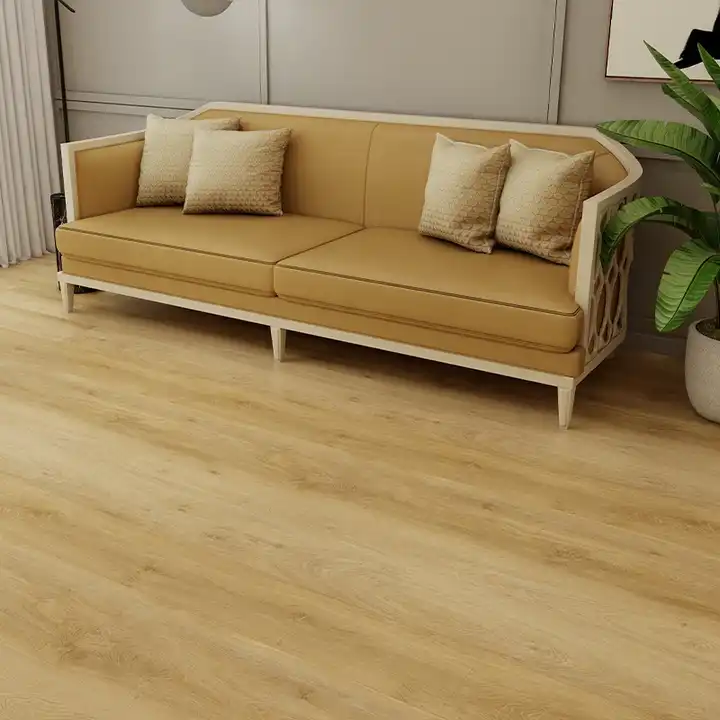
It's also an excellent choice for flooring and wall paneling. The hardness of maple wood means it can handle high-traffic areas without easily showing scratches or dents. As a floor, it provides a bright, modern look. As a decorative panel, it adds warmth and a touch of natural texture to a room. Its consistent grain makes it a fantastic substrate for stain, allowing for a wide range of aesthetic possibilities. When considering options for interiors, many of our clients also look into other strong materials like our non-structural plywood, which is perfect for general-purpose construction and finishing.
How Does Maple Plywood Compare to Other Hardwood Plywood like Birch or Oak?
When choosing a hardwood plywood, maple, birch, and oak are often the top contenders. While they are all excellent materials, they have distinct characteristics that make them suitable for different applications. Understanding these differences helps in making an informed purchasing decision.
Maple plywood is prized for its hardness, smooth surface, and subtle, uniform grain. Its light color provides a clean, contemporary look and serves as a perfect canvas for both paint and light stains. Its high density makes it very durable and resistant to scratches and dents.
Birch plywood, often from the Baltic region, is another very strong and stable option. It typically has more layers of veneer for a given thickness, making it very stable and giving it an attractive edge profile. The color is similar to maple, but the grain can be slightly more pronounced. It's a favorite among cabinet makers, particularly for drawer boxes.
Oak plywood offers a much more prominent and open grain pattern, giving it a traditional and classic look. It's a strong hardwood, but slightly softer than maple. Oak is fantastic for staining because the deep grain absorbs stain readily, creating a rich, textured appearance. Red oak has a warmer, pinkish hue, while white oak is more muted and brown.
Here's a quick comparison:
| Feature | Maple Plywood | Birch Plywood | Oak Plywood |
|---|---|---|---|
| Appearance | Very light color, subtle grain. | Light color, slightly more grain. | Pronounced, open grain pattern. |
| Hardness | Very hard and dense. | Very hard, often more plies. | Hard, but slightly softer than maple. |
| Best For | Modern furniture, cabinets, flooring. | Drawer boxes, high-end cabinetry. | Traditional furniture, architectural panels. |
| Finishing | Excellent for paint; can be tricky to stain evenly. | Stains well, paints well. | Stains beautifully, highlighting the grain. |
Ultimately, the choice depends on the desired aesthetic and the specific demands of the project. For a sleek, modern finish, maple is often the best plywood choice. For projects requiring an attractive, multi-layered edge or extreme stability, birch excels. For a timeless, traditional look with rich texture, oak is the winner. For projects demanding the highest structural integrity, you might even consider options like our F17 grade structural ply.
How Do You Choose the Right Maple Plywood for Your Project?
Choosing the right plywood is about balancing cost, performance, and aesthetics. As someone who speaks with procurement officers regularly, I know that getting this balance right is key to a successful project and a healthy bottom line. Here are the practical things to consider when you're ready to purchase.
First, determine the required grade. If the surface will be visible and needs to look perfect, like a tabletop or cabinet front, you need to invest in A-grade or B-grade plywood. If it's for a drawer box, a paint-grade cabinet interior, or shelving, a B-grade or even a C-grade panel might be perfectly acceptable and more affordable. Don't pay for an A-grade finish if it's going to be hidden.
Second, consider the thickness. Plywood is available in standard thicknesses like ¼", ½", and ¾". For cabinet carcasses, bookshelves, and other structural furniture parts, ¾" plywood is the standard for its strength and stability. For drawer bottoms or cabinet backs, ¼" plywood is usually sufficient. Using the appropriate thickness ensures your project is sturdy without being over-engineered and unnecessarily expensive.
Finally, inspect the product. When you receive a sample or a shipment, look closely. Check for a smooth surface free of blemishes (according to the grade you ordered). Look at the edge to see if the layers are tight and consistent, with no voids or gaps. Press on the surface to feel for any uneven spots that might indicate delamination. A reputable supplier's product will be consistent from sheet to sheet. This hands-on check is your best defense against the pain point of inconsistent quality. It's the same inspection process we use before any product leaves our factory.
Maple Plywood FAQs
1. Is maple plywood expensive?
Maple plywood is a hardwood plywood, so it is more expensive than softwood options like pine or construction-grade sheathing. However, it is generally more affordable than solid maple lumber while offering greater stability. Its price falls in a similar range to other hardwood plywoods like birch and oak.
2. Can you stain maple plywood?
Yes, but it can be tricky. Maple has a very tight, dense grain, which can sometimes lead to a blotchy or uneven stain absorption. To get a good result, it's highly recommended to use a pre-stain wood conditioner before applying the stain. This helps the wood absorb the stain more evenly.
3. What do the two letters in a plywood grade (e.g., A-C) mean?
The first letter refers to the grade of the face veneer (the "good" side), and the second letter refers to the grade of the back veneer. So, an A-C sheet of plywood would have a perfect, A-grade face and a lower-quality C-grade back. This is a cost-effective option for projects where only one side will be visible.
4. Is maple plywood a good option for solid wood flooring?
Maple plywood itself is not typically used as the final flooring surface, but it's an excellent choice for a subfloor due to its strength and stability. For the visible floor, you'd want to use either solid wood flooring or an engineered flooring product with a thick maple wear layer on top.
Key Takeaways
To wrap things up, here are the most important points to remember about maple plywood:
- Strength & Beauty: It combines the hardness and durability of maple wood with the engineered stability of plywood, offering a smooth, attractive, and consistent panel.
- Interior Workhorse: It is a top choice for interior applications like cabinetry, furniture, flooring underlayment, and shelving due to its strength and finish quality.
- Outdoor Use Requires Caution: Standard maple plywood should never be used outdoors. Only exterior-grade plywood made with waterproof glue and thoroughly sealed on all surfaces can withstand the elements.
- Grades Matter: Understanding the A-B-C-D grading system is crucial for balancing cost and appearance. Choose the grade that fits your application to avoid overspending.
- Quality is Key: Always inspect plywood for tight layers, a flat surface, and consistent quality to avoid common issues like warping and delamination. A reliable supplier is your best partner in ensuring product performance.
Post time: Aug-26-2025